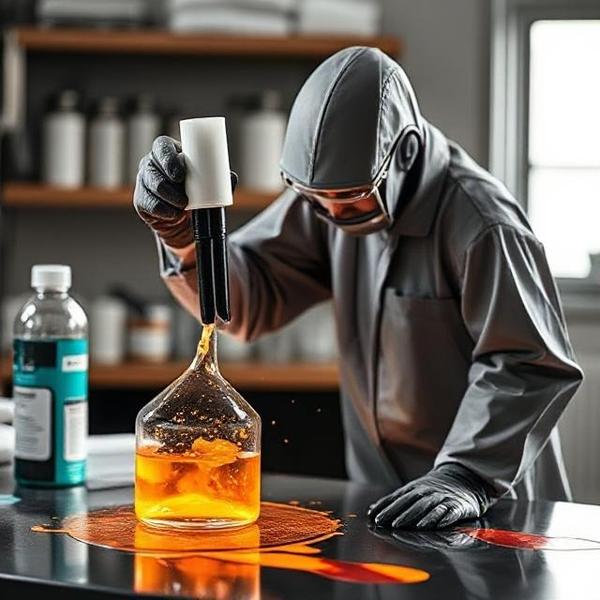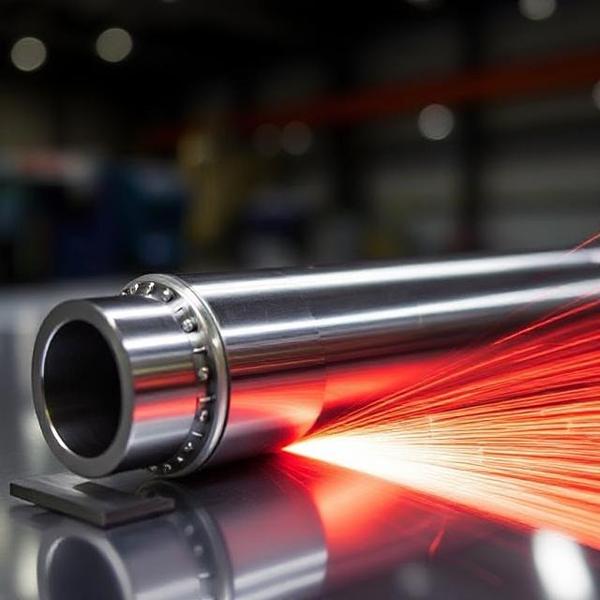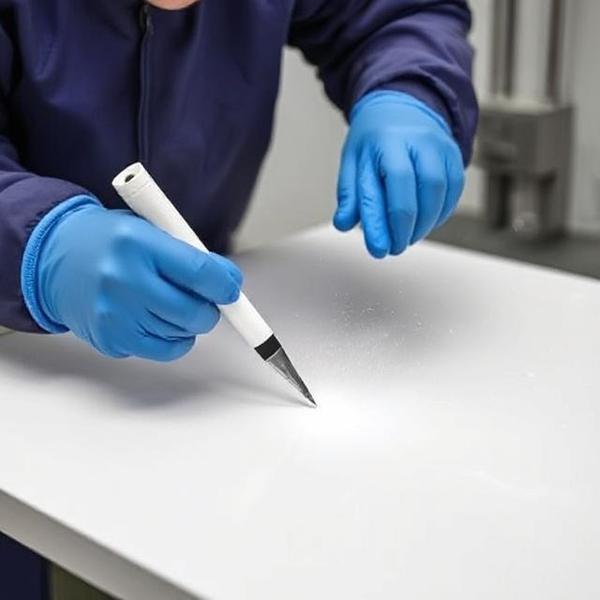
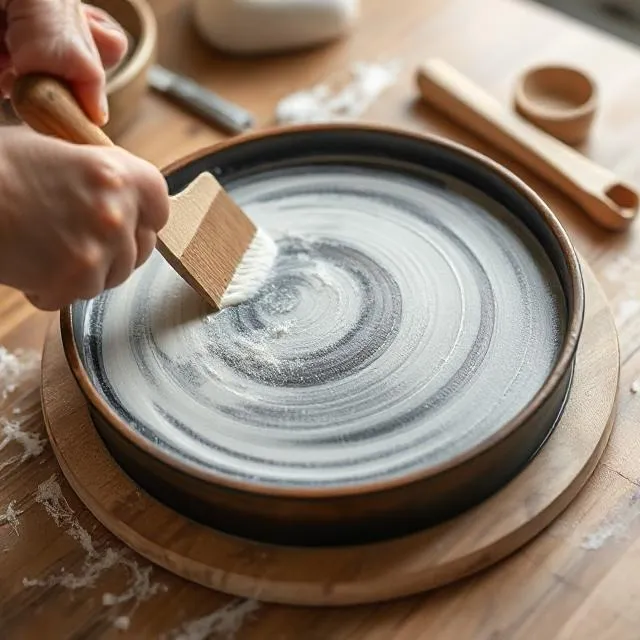
- Next-gen non-stick coatings (PTFE, FEP, ceramic) are transforming food production by improving hygiene, efficiency, and product consistency.
- Food safety and compliance are driving demand for FDA- and EU-approved, PFOA-free coatings.
- Key industries—bakery, dairy, meat, snacks—benefit from better release, easier cleaning, and reduced waste.
- Sustainable technologies focus on eco-friendly formulations, energy-efficient curing, and longer service life.
- India’s food sector is emerging as a major hub for advanced, food-grade non-stick coating innovations.
Revolutionizing Food Production with Advanced Surface Technologies
The food manufacturing industry is undergoing a major transformation as producers increasingly adopt advanced non-stick coating technologies to enhance efficiency, hygiene, and product quality. From bakery trays and conveyor belts to molds and mixing vessels, the use of non-stick surfaces is reshaping how food is processed and handled across large-scale production lines.
With growing regulatory pressure for food safety, waste reduction, and energy efficiency, non-stick coatings are fast becoming a critical enabler of modern food manufacturing rather than just a convenience feature.
Why Non-Stick Coatings Are the Future of Food Manufacturing
The evolution of non-stick coatings goes far beyond simple release properties. New-generation coatings—such as PTFE, FEP, PFA, and ceramic-based systems—offer a combination of performance, safety, and durability that older technologies cannot match.
Key advantages driving their adoption include:
- Improved Hygiene and Cleanability – Non-stick coatings prevent residue buildup, making cleaning faster and reducing microbial risks.
- Operational Efficiency – Reduced sticking means smoother operations and fewer production halts.
- Enhanced Product Consistency – Uniform coating ensures even baking, molding, or mixing results.
- Reduced Material Waste – Better release minimizes food loss and improves yield.
- Longer Equipment Life – Coated surfaces resist corrosion, wear, and abrasion from repeated use.
Key Industries Embracing Non-Stick Technology
Non-stick coatings are now indispensable across multiple food manufacturing domains, including:
- Bakery and Confectionery – For molds, pans, and trays that demand perfect product release and easy cleanup.
- Dairy and Cheese Processing – Prevents sticking on molds and cutters, ensuring smooth texture and form.
- Meat and Ready-to-Eat Foods – Enhances hygiene on grills, conveyors, and cooking plates.
- Snack and Cereal Production – Coatings withstand continuous heat and oil exposure while preventing residue buildup.
- Frozen Foods and Packaging – Supports easy demolding and non-stick film sealing in automated systems.
The Technology Behind Next-Generation Coatings
Leading coating developers are investing in multi-layer fluoropolymer systems and hybrid ceramic composites that meet FDA and EU food-contact regulations. These innovations are focused on:
- Higher temperature resistance (up to 280°C)
- Enhanced chemical and abrasion resistance
- Compatibility with automated cleaning systems (CIP)
- Non-toxic, PFOA-free and food-safe formulations
- Custom surface textures for specific food processes
Sustainability and Compliance: The New Benchmark
Sustainability is reshaping every sector, and non-stick coatings are no exception. Modern coatings now emphasize:
- Eco-friendly formulations with reduced VOC emissions
- Energy-efficient curing technologies that lower production costs
- Extended service life, reducing the need for frequent recoating
- Recyclable and compliant materials that align with global safety standards
As global regulations tighten, food manufacturers are increasingly selecting coating partners who can provide traceable, certified, and compliant coatings that meet local and international food safety norms.
How to Choose the Right Non-Stick Coating Partner
Selecting the right coating specialist can significantly impact production efficiency and compliance. Key factors to consider include:
- Proven food-grade certifications (FDA, EU 10/2011, ISO 22000)
- Experience with custom coating applications in your specific food segment
- Availability of on-site recoating and maintenance services
- Technical support for surface preparation and cleaning procedures
- Ability to provide energy-efficient and long-lasting coatings
Expert Insight
Industry experts note that the next decade will see non-stick coatings evolve into multifunctional surface systems—combining anti-microbial properties, self-cleaning capabilities, and improved heat transfer efficiency.
“Non-stick coatings are no longer a luxury for food manufacturers—they’re a necessity for consistent quality, compliance, and cost savings,” said a technical expert from a leading industrial coatings firm.
Looking Ahead
The future of non-stick coatings in industrial food manufacturing lies in innovation that aligns with sustainability, safety, and performance goals. With rapid advances in coating chemistry and application techniques, India is poised to become a key global hub for food-grade non-stick coating technologies.
Connect with Industrial Non-Stick Coating Experts
If your business requires certified non-stick coating solutions for food-grade applications, our team can help you connect with trusted coating specialists offering proven quality, quick turnaround, and full regulatory compliance.
Request a Callback | Get a Quote | Ask a Coating Expert
Related Articles
- The Role of PTFE in Food-Safe Industrial Applications
- How to Extend the Life of Coated Food Equipment
- Choosing Between Fluoropolymer and Ceramic Coatings for Food Processing
Keywords