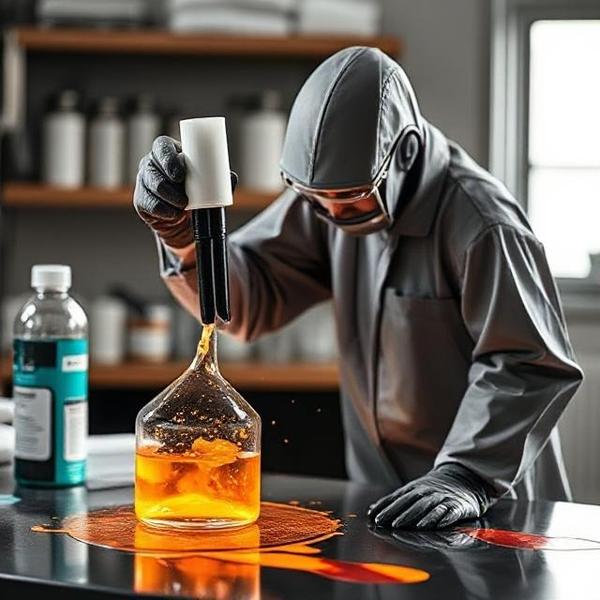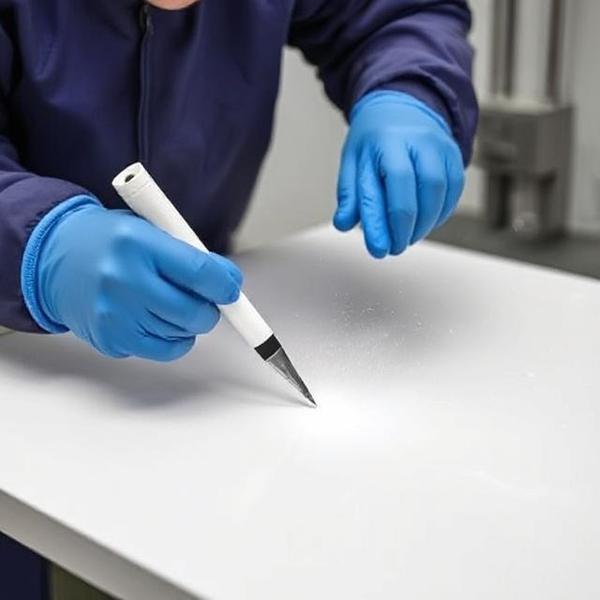
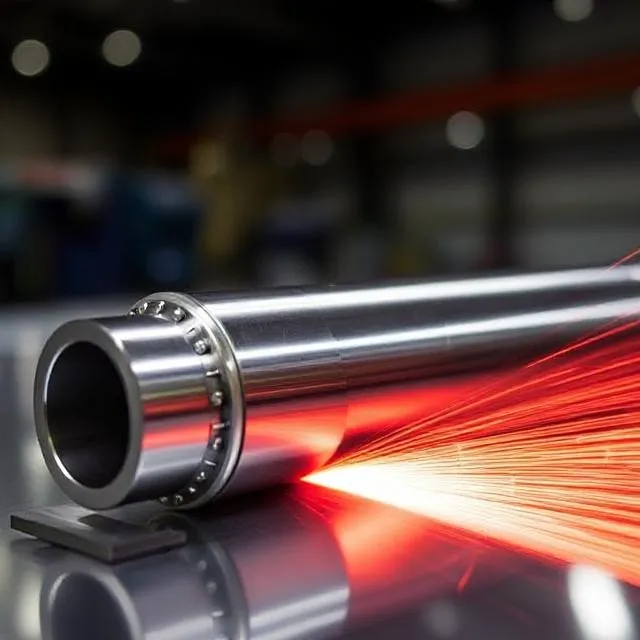
- Next-Gen Protection: Aerospace industries are adopting advanced coatings to withstand extreme heat, friction, and oxidation, improving safety and engine performance.
- Cutting-Edge Materials: Innovations include ceramic-based TBCs, nanocomposites, solid lubricants, and plasma/PVD coatings for superior durability.
- Wide Applications: Used in jet engines, landing gear, spacecraft parts, and fasteners to extend lifespan and reduce maintenance.
- Performance Boost: These coatings offer higher temperature tolerance (up to 1000°C+), ultra-low friction (as low as 0.05), and longer service life.
- Indian Expertise Rising: Companies like Tefcoat, Alwin Technologies, and Evershine Coatings are driving India’s aerospace coating innovation with certified, high-performance solutions.
Aerospace Industry Advances with Next-Generation Thermal and Friction Protection Technologies
The aerospace sector is witnessing a technological leap forward with the adoption of advanced heat and friction resistant coatings designed to withstand extreme operating conditions. As aircraft components face rising thermal loads, high-speed friction, and aggressive environmental exposure, these coatings have become vital for improving safety, performance, and service life.
Modern aerospace coatings go beyond aesthetics—they serve as critical engineering barriers that protect vital parts from oxidation, wear, and thermal fatigue. From turbine blades and exhaust systems to bearings and fasteners, cutting-edge coating technologies are redefining aerospace durability standards.
Why Aerospace Needs High-Performance Coatings
Aircraft engines, propulsion systems, and structural components operate in some of the most demanding environments imaginable—temperatures exceeding 1000°C, high-speed airflows, and continuous mechanical stress.
To manage these challenges, aerospace engineers rely on heat-resistant and friction-reducing coatings that provide:
- Thermal stability at extreme temperatures
- Low friction coefficients for energy efficiency
- Oxidation and corrosion resistance under harsh atmospheres
- Enhanced wear life of moving components
- Reduced maintenance downtime
These properties are vital for next-generation engines, hypersonic systems, and lightweight aircraft designs that push performance boundaries.
Leading Coating Innovations in Aerospace
The latest developments in aerospace coating technology are focused on nanostructured, multi-layer, and ceramic-based materials that deliver superior protection and longevity.
Some of the most notable innovations include:
1. Thermal Barrier Coatings (TBCs)
Composed of yttria-stabilized zirconia (YSZ) and advanced ceramics, TBCs protect turbine and combustion components from extreme heat—allowing engines to run at higher efficiencies without compromising material integrity.
2. Solid Lubricant and Low-Friction Coatings
Coatings based on molybdenum disulfide (MoS₂), graphite, and advanced polymer composites help minimize wear and reduce friction under vacuum and high-temperature conditions typical in aerospace mechanisms.
3. Nanocomposite and Hybrid Coatings
Nano-engineered coatings combine the toughness of ceramics with the flexibility of polymers, offering a balance of heat resistance, adhesion, and corrosion protection for multi-functional aerospace applications.
4. Plasma-Sprayed and PVD Coatings
Modern Physical Vapor Deposition (PVD) and plasma spray methods create dense, adherent coatings with excellent bond strength—ideal for turbine blades, actuators, and engine interiors.
5. Advanced Surface Engineering for Lightweight Alloys
As aerospace manufacturers move toward aluminum-lithium and titanium alloys, specialized coatings are being developed to prevent oxidation, galling, and surface degradation without adding excess weight.
Key Aerospace Applications
Heat and friction-resistant coatings are widely applied across multiple aerospace systems:
- Jet Engines & Turbines – To protect blades and housings from heat and oxidation.
- Landing Gear & Bearings – For low-friction performance and extended wear life.
- Spacecraft Components – To withstand vacuum, radiation, and re-entry temperatures.
- Fasteners & Bolts – To prevent seizing and galling under high stress.
- Thermal Management Systems – For maintaining optimal performance in high-altitude and space conditions.
How These Coatings Outperform Traditional Systems
Feature | Conventional Coating | Advanced Heat & Friction Coating
Temperature Tolerance | Up to 300°C | 1000°C+
Wear Resistance | Moderate | Excellent
Friction Coefficient | 0.3–0.4 | As low as 0.05
Corrosion Protection | Limited | Superior multi-layer protection
Service Life | 1–2 years | 3–5 years (depending on application)
Top Indian Innovators and Solution Providers
India’s aerospace coating ecosystem is growing rapidly, with several firms pioneering specialized thermal and anti-friction solutions. Key players include:
- Tefcoat Industries – Offering ceramic-based high-temperature coatings for turbines.
- Alwin Technologies – Focused on hybrid nanocomposite coatings for aerospace components.
- Evershine Coatings – Delivering advanced friction-resistant polymer systems with aerospace-grade certification.
- Polycoat Flowchem – Specializing in plasma and PVD coating technologies.
- Impreglon India – Providing globally certified surface treatments for heat and wear resistance.
Choosing the Right Aerospace Coating Partner
When selecting a coating provider, aerospace manufacturers should assess:
- Certifications: AS9100, ISO, NADCAP approvals
- Material Expertise: Ability to work with titanium, Inconel, and composites
- Process Capabilities: PVD, plasma, or chemical vapor deposition
- Testing & Validation: Thermal cycling, adhesion, and wear resistance analysis
- Customization: Tailored coating systems for specific component geometries
Working with a certified, experienced partner ensures consistent performance and compliance with aviation standards.
Expert Insight
According to aerospace material specialists, coating innovation will define the next decade of flight efficiency and sustainability.
“Every degree of heat managed and every gram of friction reduced translates directly into extended component life and fuel efficiency,” said a senior engineer from Alwin Technologies.
Partner With Leading Aerospace Coating Experts
If your organization is looking to enhance equipment performance through advanced heat and friction resistant coatings, our team can connect you with certified aerospace coating specialists across India and beyond.
Request a Consultation | Get a Quote | Talk to an Expert
Related Articles
- Thermal Barrier Coatings: Extending Engine Life in Extreme Conditions
- Advances in PVD and Plasma Spray Technology for Aerospace Applications
- Friction Management: How Surface Engineering Reduces Aerospace Maintenance Costs
Keywords