- Infrared (IR)-reflective coatings reduce detection by thermal and night-vision sensors by controlling how surfaces emit and reflect heat.
- These coatings use special pigments, nano-materials, and multi-layer structures to balance visual camouflage with thermal stealth.
- Widely used on military vehicles, aircraft, uniforms, and defense infrastructure to lower infrared signatures.
- Offer key advantages like reduced heat absorption, increased durability, and superior concealment across terrains.
- India’s defense industry is advancing indigenous IRR technologies, supporting Atmanirbhar Bharat and next-gen stealth innovation.
Modern warfare is no longer defined solely by firepower — it’s defined by visibility. As surveillance systems and thermal imagers become increasingly advanced, the need for materials that can reduce detectability has never been greater. This is where Infrared (IR)-reflective military coatings step in — a fusion of materials science, defense technology, and precision engineering designed to keep soldiers and assets unseen, even under the most sophisticated sensors.
Understanding IR-Reflective Technology
Infrared-reflective coatings work by manipulating how surfaces absorb, emit, and reflect infrared radiation. Every object emits heat — and therefore IR radiation — which thermal cameras detect. By altering a surface’s emissivity and reflectivity, these coatings reduce the object’s thermal signature, effectively camouflaging it from thermal imaging devices.
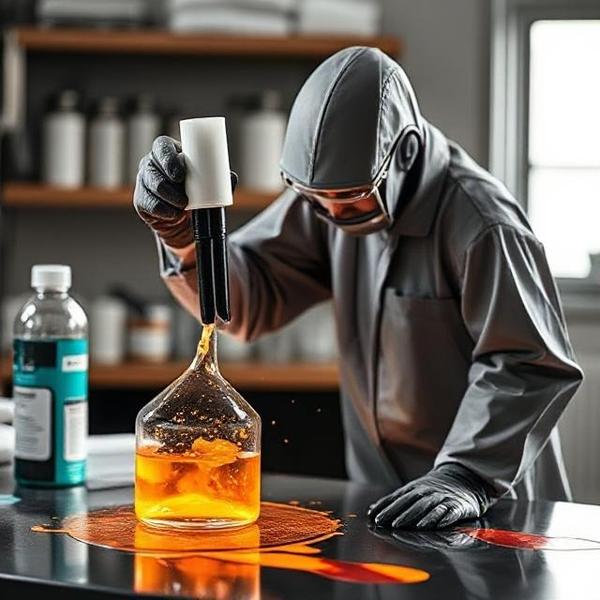
These coatings typically use advanced pigments and nano-ceramic compounds that reflect specific wavelengths of infrared light while maintaining visible color matching with the surrounding terrain — ensuring both visual and thermal camouflage.
Core Science and Material Composition
The effectiveness of IR-reflective coatings lies in their carefully engineered structure and formulation:
- Infrared Reflective Pigments (IRR Pigments): These specialized pigments reflect IR energy instead of absorbing it, thereby reducing surface heating.
- Low-Emissivity Binders: Control the amount of heat radiated from the coated surface.
- Multi-Layer Architecture: Some coatings use layered structures to manage different spectral regions — visible, near-IR, and mid-IR — for comprehensive stealth.
- Nano-Technology Integration: Nano-particle dispersions enhance uniformity, adhesion, and reflective control.
The result: materials that appear naturally blended in the visible spectrum while minimizing infrared detectability across night vision and thermal imaging systems.
Applications Across Defense Platforms
IR-reflective coatings are critical in multiple branches of defense technology, including:
- Military Vehicles: Tanks, armored carriers, and trucks coated with IRR paints stay cooler and harder to detect in thermal scans.
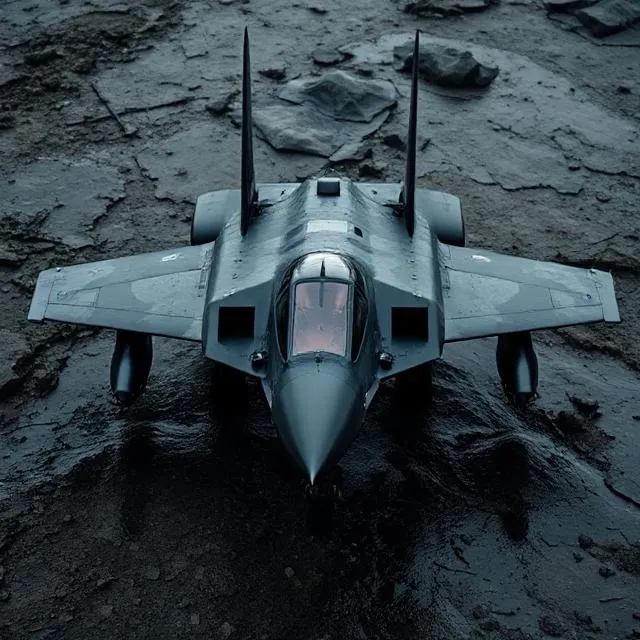
- Aircraft and Drones: Reduced IR signatures improve survivability against heat-seeking threats.
- Personnel Gear: Combat uniforms and helmets with IRR treatment lower soldier visibility in both day and night reconnaissance.
- Naval and Coastal Equipment: Helps maintain stealth in infrared surveillance zones.
- Infrastructure and Shelters: Applied on temporary camps or defense structures to blend thermally with the environment.
Advantages of IR-Reflective Coatings
These coatings provide a spectrum of operational and strategic advantages:
- Reduced Detection by IR Sensors and Drones
- Enhanced Thermal Regulation for equipment and vehicles
- Improved Energy Efficiency due to lower heat absorption
- Longer Equipment Life through UV and corrosion protection
- All-Terrain Adaptability, from desert to snow conditions
In military operations, even a few degrees of reduced thermal emission can mean the difference between detection and invisibility.
Comparison: Conventional Paints vs. IR-Reflective Coatings
Feature | Conventional Coating | IR-Reflective Coating
Infrared Signature | High | Low
Heat Absorption | High | Minimal
Visual Camouflage | Yes | Yes + Thermal Stealth
Durability | Moderate | High
Tactical Advantage | Limited | Superior
Ongoing Innovations in India’s Defense Coating Sector
India’s defense R&D ecosystem is actively integrating IRR coating technologies in collaboration with private industry partners. Indigenous formulations are being developed to meet specific requirements of the Indian Army, Air Force, and paramilitary sectors, focusing on high durability under harsh climates and multi-spectral performance.
With initiatives like Atmanirbhar Bharat encouraging local innovation, Indian coating specialists are combining nanotechnology, ceramic composites, and multi-spectral pigments to create next-generation stealth coatings — setting new standards in defense surface technology.
Selecting the Right IRR Coating Partner
Defense OEMs and integrators should evaluate coating suppliers on:
- Proven multi-spectral camouflage expertise
- DRDO / NABL-certified testing and documentation
- Customized formulation capability for terrain-specific needs
- Ability to meet defense-grade durability and corrosion standards
- After-application testing and maintenance support
Choosing the right technology partner ensures not just stealth — but operational reliability in the field.
Expert Insight
“Modern camouflage is no longer about color — it’s about managing energy signatures. IR-reflective coatings are a critical component of survivability in an increasingly sensor-driven battlefield,” says a defense materials technologist at a leading surface engineering firm.
Connect With Military Coating Specialists
If your organization is exploring IR-reflective or multi-spectral camouflage coatings, our experts can help you identify certified suppliers and custom formulations suited to your operational requirements.
Request a Callback | Ask a Defense Coating Expert | Get a Quote
Related Articles
- Multi-Spectral Camouflage: The Future of Battlefield Stealth
- Advanced Nano-Ceramic Coatings for Defense Applications
- How Coating Science is Enhancing Military Asset Longevity
Keywords