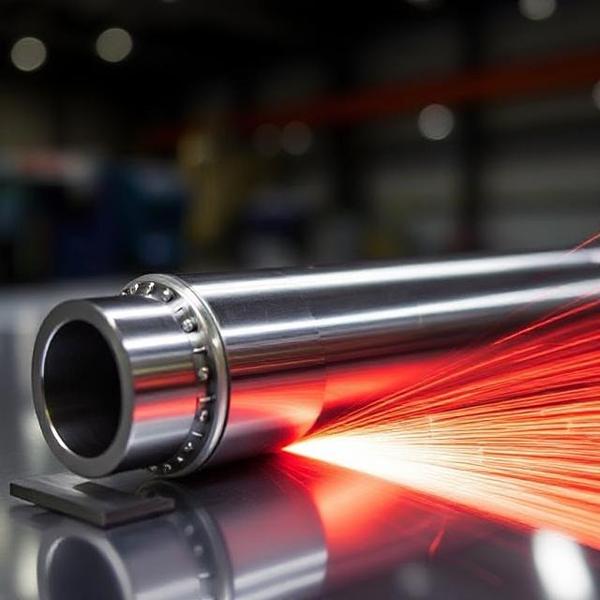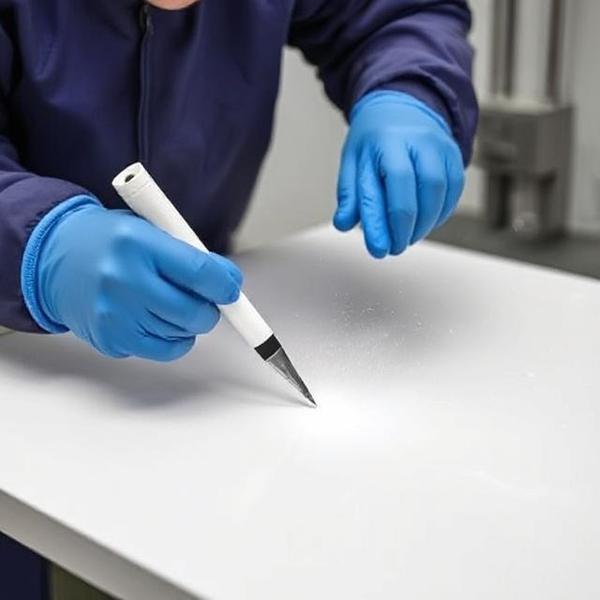
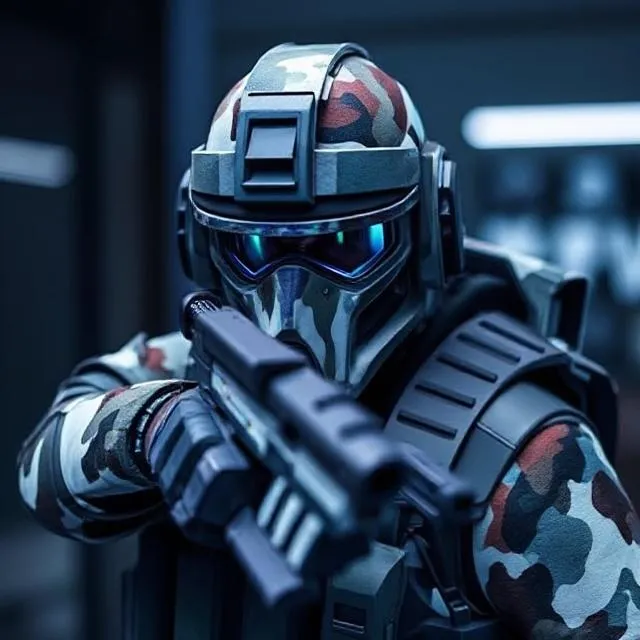
- Beyond Camouflage: Modern defense paints now provide multispectral concealment — visual, infrared, and radar absorption — not just color blending.
- Advanced Materials: Incorporate nanomaterials, conductive polymers, and ceramics for stealth, durability, and corrosion resistance.
- Widespread Applications: Used across aircraft, vehicles, ships, and soldier gear to reduce detectability and extend service life.
- India’s Innovation Push: DRDO, private firms, and R&D labs are developing indigenous stealth and radar-absorbent coatings.
- Strategic Advantage: These coatings enhance operational stealth, reduce maintenance, and improve survivability in modern warfare.
India’s defense ecosystem is witnessing a technological transformation — and one of the most critical, yet often overlooked, elements driving this change is advanced military paint technology. These next-generation defense coatings go far beyond simple aesthetics; they play a pivotal role in concealment, protection, and survivability across modern battlefields.
As global warfare becomes increasingly dependent on sensors, surveillance, and detection technologies, stealth coatings—capable of masking visibility across visual, infrared, and radar spectrums—are becoming indispensable for India’s defense modernization efforts.
The Evolution of Military Paints
Traditional camouflage paints once focused solely on visual blending with the environment—forest, desert, or snow.
However, with the rise of thermal imaging, night vision systems, and radar-guided tracking, the need for coatings that reduce infrared (IR), thermal, and radar signatures has become critical.
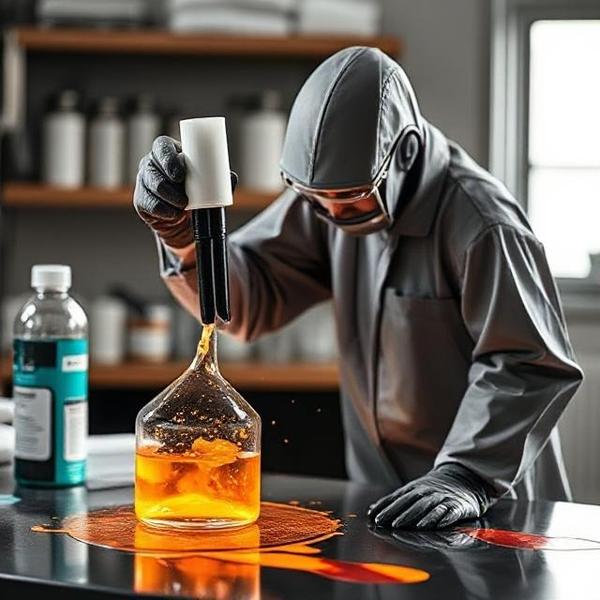
Next-gen military paints now integrate nanomaterials, conductive polymers, and ceramic microspheres to manage reflectivity and absorb electromagnetic waves. This makes them an active component of stealth, not just surface decoration.
Leading Technologies Shaping the Future
Today’s advanced defense paints combine multiple layers of functionality:
- Visual Camouflage Paints: Designed using spectral reflectance matching to mimic environmental tones and patterns.
- Infrared Suppression Coatings: Reduce heat signatures by controlling IR emissivity, making vehicles and gear less visible to thermal imagers.
- Radar-Absorbing Paints (RAP): Contain carbon-based or ferromagnetic nanoparticles that absorb or scatter radar waves, reducing detection range.
- Corrosion-Resistant Military Coatings: Protect metals and composites from extreme weather, humidity, and chemical agents.
- Self-Healing and Durable Formulations: Enhance lifecycle and reduce maintenance for vehicles, weapons, and infrastructure.
Why Defense Forces Are Investing in Advanced Coatings
Modern warfare depends on stealth, mobility, and endurance. Advanced defense paints offer measurable operational advantages:
- Concealment from multispectral detection systems
- Lower heat and radar signature for stealth performance
- Enhanced corrosion and abrasion resistance
- Reduced maintenance cycles and operational costs
- Extended asset lifespan in extreme field conditions
Experts note that India’s growing focus on indigenization and advanced material R&D has accelerated the development of these coatings domestically.
Applications Across Defense Platforms
Next-gen paints are now integral across all major defense domains:
Platform | Application
Armored Vehicles | Thermal & radar signature reduction coatings
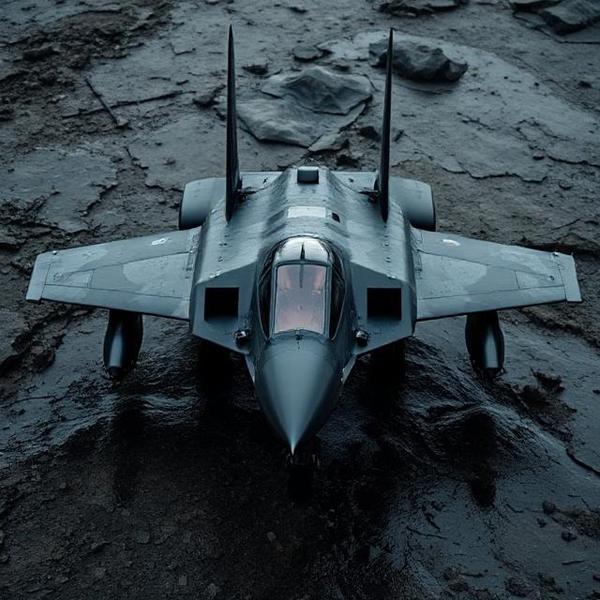
Aircraft & UAVs | Radar-absorbent and low-emissivity coatings
Naval Vessels | Anti-corrosive & radar-damping marine coatings
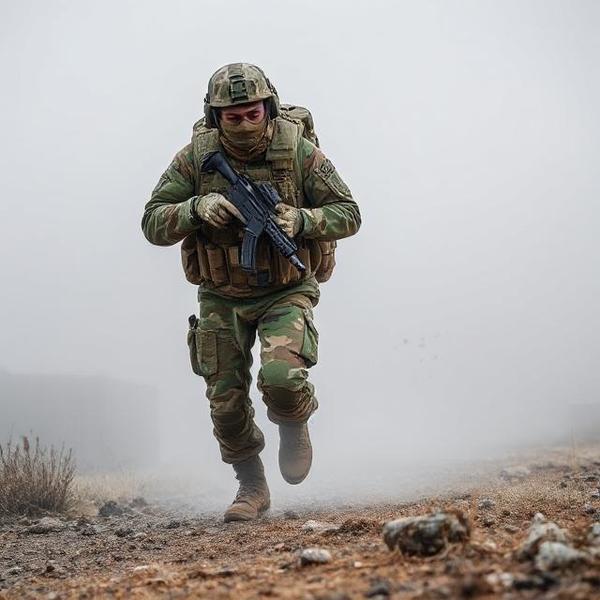
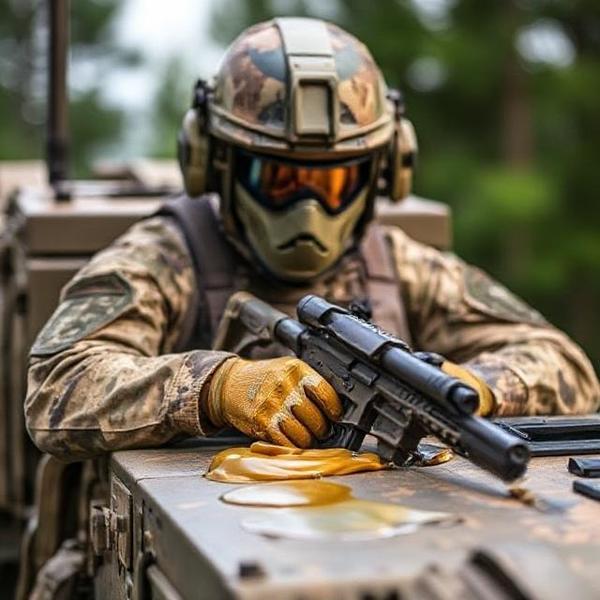
Soldier Gear & Helmets | Multi-spectral camouflage coatings
Temporary Field Structures | IR-suppressing and heat-reflective coatings
These coatings not only improve stealth performance but also enhance mission survivability under modern surveillance and targeting conditions.
India’s Emerging Leaders in Defense Coating Technology
Several Indian companies and R&D institutions are actively contributing to the country’s defense paint ecosystem:
- DRDO & ADE Labs: Developing indigenous radar-absorbent materials and stealth coatings for air and land platforms.
- Private Sector Innovators: Firms like Alwin Technologies and Motley Surface Tech are engineering multi-spectral paints for vehicles and equipment.
- Collaborative Research: Joint projects between defense PSUs, startups, and material science institutes are accelerating commercialization of stealth coatings.
Key Considerations for Defense Paint Selection
Choosing the right next-gen paint involves balancing multiple parameters:
- Spectral performance (visual, IR, and radar ranges)
- Durability and field-tested performance
- Environmental resistance (temperature, humidity, salinity)
- Compatibility with substrates (metal, composite, fabric)
- Certification and compliance with defense standards
A supplier’s ability to customize coatings to specific operational needs is crucial for achieving maximum stealth and protection.
Industry Outlook
According to defense analysts, India’s next-gen paint and coating market is poised for significant growth through 2030, driven by Make in India, Atmanirbhar Bharat, and rising investments in advanced material sciences.
“Camouflage today is no longer limited to colors—it’s about physics and material engineering,” notes a defense coatings expert.
“As threats evolve, so must our surfaces.”
Partner With Advanced Defense Coating Experts
If your organization is exploring multi-spectral camouflage or radar-absorbent coatings, we can connect you with certified suppliers and R&D collaborators specializing in defense-grade paint technologies.
Request a Consultation | Get a Custom Quote | Discuss a Defense Coating Project
Related Articles
- Multi-Spectral Camouflage: The Future of Battlefield Stealth
- Nanotechnology in Military Coatings: Enhancing Protection and Concealment
- The Role of Advanced Materials in Defense Modernization
Keywords