- India is advancing multi-spectral camouflage technology to counter modern drone and sensor-based surveillance threats.
- Covers all spectrums — visual, infrared, thermal, and radar — making assets nearly invisible across detection systems.
- Used in soldier suits, vehicles, infrastructure, and aircraft for enhanced battlefield stealth.
- Key players include DRDO, Motley Defence, MKU, TATA Advanced Systems, and BEL.
- Rapid growth expected by 2030 as part of India’s Aatmanirbhar Bharat defense initiative.
India Advances in Multi-Spectral Camouflage for Modern Warfare
As drone warfare and advanced surveillance technologies redefine the global defense landscape, India’s defense innovators and research institutions are rapidly adopting multi-spectral camouflage systems — an advanced concealment technology designed to hide military assets across visible, infrared (IR), thermal, and radar spectrums.
From armored vehicles and soldier uniforms to base structures and weapon systems, multi-spectral camouflage has become a critical line of defense against next-generation detection systems.
According to defense analysts, India’s growing focus on stealth, survivability, and operational superiority is driving unprecedented demand for indigenous camouflage solutions that can outperform traditional visual concealment.
Leading Multi-Spectral Camouflage Developers in India: 2025 Overview
Several Indian defense technology companies and research labs have made major strides in developing indigenous multi-spectral camouflage materials and coatings. The following organizations stand out for their innovation, field performance, and R&D capabilities:
Defence Research and Development Organisation (DRDO) – Leading national R&D agency pioneering multispectral materials and coatings for defense applications.
Motley Defence – Focused on advanced camouflage systems for vehicles, soldier gear, and infrastructure, designed to counter drone and satellite-based surveillance.
MKU Ltd. – Offers integrated soldier protection systems and camouflage fabrics for modern combat requirements.
TATA Advanced Systems – Involved in developing stealth and radar-absorbing composites for military platforms.
Bharat Electronics Limited (BEL) – Working on sensor fusion and detection countermeasures that complement camouflage systems.
Why Multi-Spectral Camouflage Matters in Drone Warfare
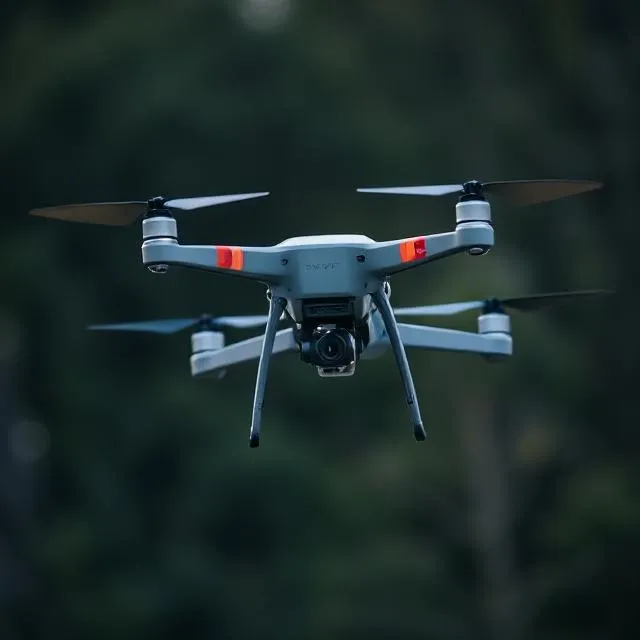
Traditional camouflage is no longer sufficient in an era where drones, thermal cameras, and AI-based sensors can detect heat, radar reflections, and electromagnetic signatures.
Multi-spectral camouflage offers layered protection across multiple detection bands, making it virtually invisible to modern surveillance technologies.
Key Advantages:
- Infrared (IR) Suppression: Minimizes heat emissions to avoid detection by thermal imagers.
- Radar Signature Reduction: Uses radar-absorbing materials to reduce radar cross-section (RCS).
- Thermal Blending: Matches environmental temperature patterns for stealth in thermal imagery.
- Visual and Near-IR Camouflage: Blends seamlessly with terrain using adaptive color patterns.
- Multi-Terrain Flexibility: Effective in jungle, desert, urban, and arctic operations.
Key Applications Across Defense Sectors
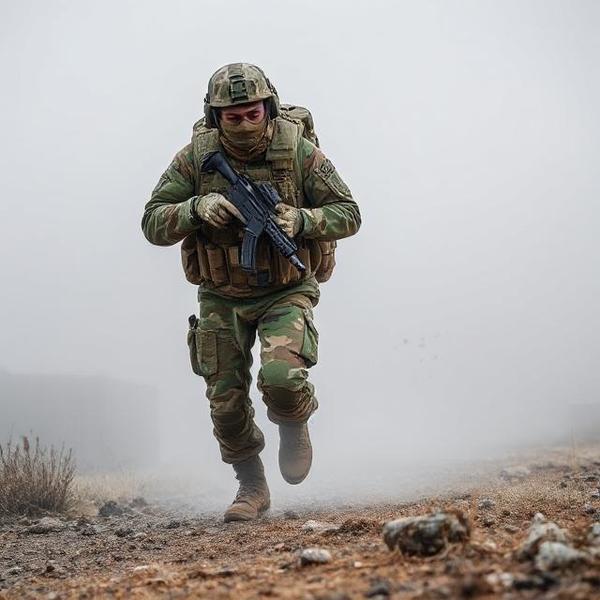
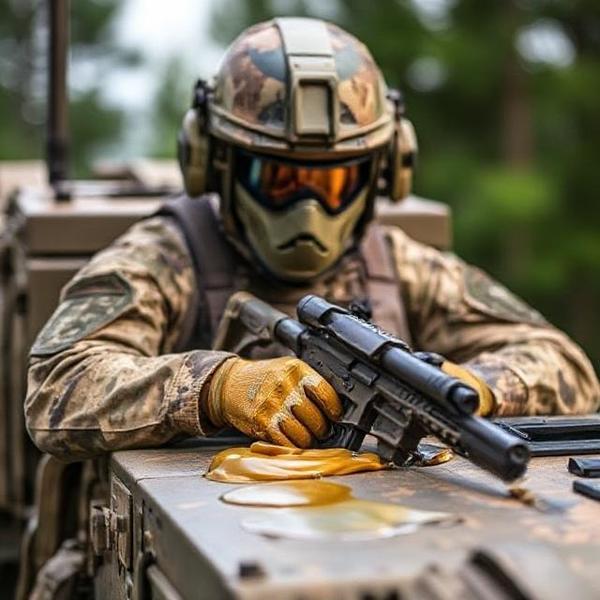
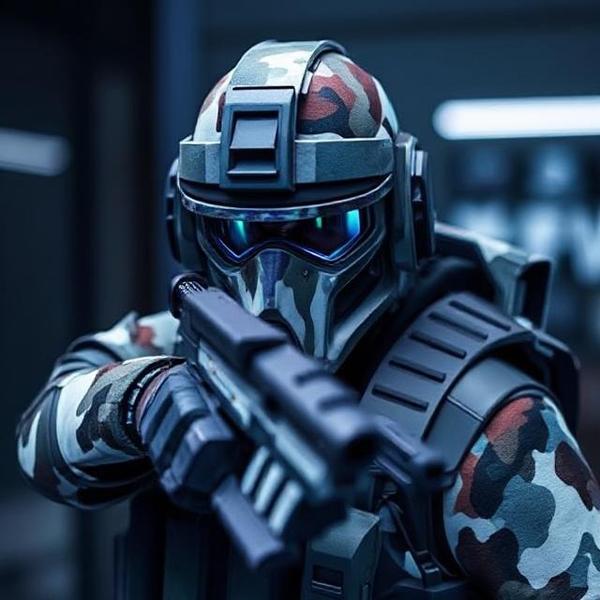
Soldier Systems: Full-body suits with integrated IR suppression for stealth missions.
Armored Vehicles: Multi-layer coatings and camouflage nets that reduce radar and thermal visibility.
Tactical Infrastructure: Camouflage covers for command posts, artillery, and radar stations.
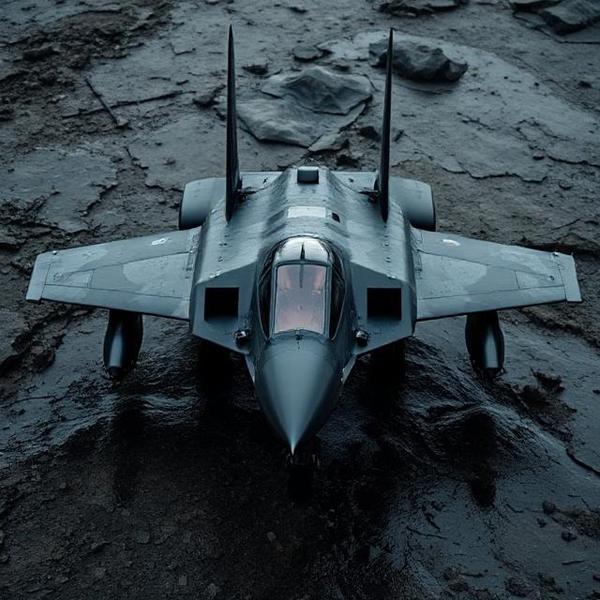
Aerial Platforms: Radar-absorbing paints and coatings for UAVs and aircraft.
Naval Operations: Marine coatings that minimize radar and infrared signatures of vessels.
How Multi-Spectral Camouflage Compares to Traditional Concealment
Feature | Traditional Camouflage | Multi-Spectral Camouflage
Visual Concealment | Yes | Yes
IR & Thermal Suppression | No | Yes
Radar Absorption | No | Yes
Multi-Environment Effectiveness | Limited | High
Anti-Drone Protection | No | Yes
What to Consider When Selecting a Camouflage System
Organizations seeking multi-spectral camouflage solutions should evaluate several key aspects:
- Spectral Performance Range (Visual, IR, Thermal, Radar)
- Durability and Environmental Resistance
- Custom Design for Terrain and Platform Type
- Compatibility with Existing Equipment and Paints
- Compliance with Defense Standards (DRDO / BIS / MIL-SPEC)
Choosing a supplier that can provide both material science expertise and defense-grade certification ensures reliability under real battlefield conditions.
Industry Insight
Defense experts predict that India’s multi-spectral camouflage market will grow exponentially by 2030, driven by the government’s push for Aatmanirbhar Bharat (self-reliant defense production) and the increasing use of drones in both surveillance and attack roles.
“Camouflage is no longer about just hiding — it’s about survival in a sensor-saturated battlefield,” said a spokesperson from Motley Defence.
“Our systems are designed to make detection not just difficult, but nearly impossible.”
Connect With Certified Camouflage Solution Providers
If your organization is looking to upgrade its stealth capabilities, we can connect you with certified suppliers specializing in multi-spectral coatings, camouflage fabrics, and radar-absorbing systems tailored to your needs.
Request a Demo | Schedule a Consultation | Speak With a Defense Technologist
Related Articles
- How AI and Thermal Imaging Are Changing Modern Warfare
- Next-Gen Stealth Coatings: From Research to Battlefield
- The Rise of Drone Countermeasures in Defense Technology
Keywords