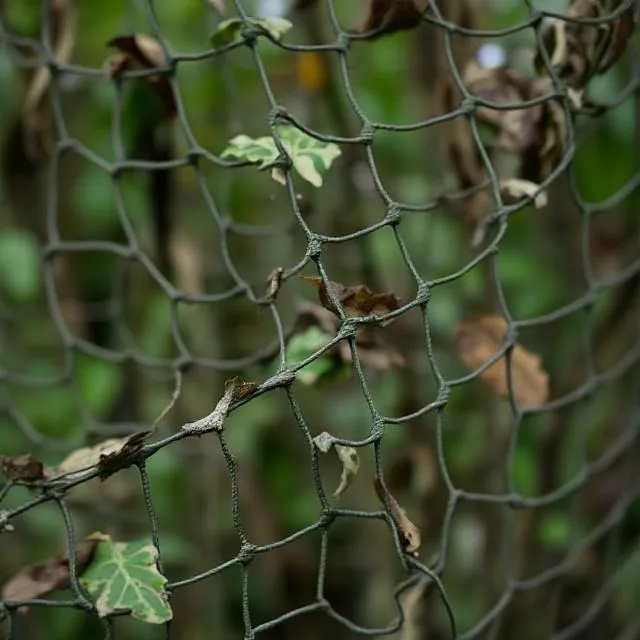
- IR Camo Netting conceals military assets by reducing heat signatures, making them harder to detect with thermal imaging and night vision.
- Multi-spectral protection covers near-, mid-, and long-wave infrared ranges for full-spectrum stealth.
- Used across platforms, including vehicles, personnel, bases, ships, and aircraft.
- Key to modern warfare, especially against IR-equipped drones and surveillance systems.
- Effective deployment requires terrain-matching, irregular net layout, cooling heat sources, and natural integration.
As today’s battlefields become increasingly dependent on advanced surveillance technologies, especially those utilizing infrared (IR) detection, conventional camouflage is no longer enough. To stay ahead of thermal reconnaissance and night vision systems, military forces are adopting a more advanced solution: Infrared Camouflage Netting (IR Camo Netting).
Understanding the Technology Behind IR Camo Netting
IR Camo Netting is engineered to counter not just visual detection, but also to disrupt and reduce thermal signatures. These nets are designed using materials and coatings that manipulate how heat is emitted and reflected, making assets less detectable by enemy sensors.
Rather than simply masking a shape or blending with the terrain, IR camo alters how an object 'appears' in the infrared spectrum—offering a deeper layer of concealment from night vision, thermal optics, and surveillance drones.
Broad-Spectrum Protection Across Multiple IR Bands
Modern IR camouflage systems are not limited to a single infrared range. Instead, they are effective across near-infrared (NIR), mid-wave infrared (MWIR), and long-wave infrared (LWIR). This multi-spectral capability ensures greater protection in a wide array of surveillance conditions, whether the threat is from ground-based optics or aerial thermal sensors.
Strategic Use Cases on the Battlefield
- Vehicles: From main battle tanks to transport trucks, IR nets are deployed to mask engine heat and vehicle profiles.
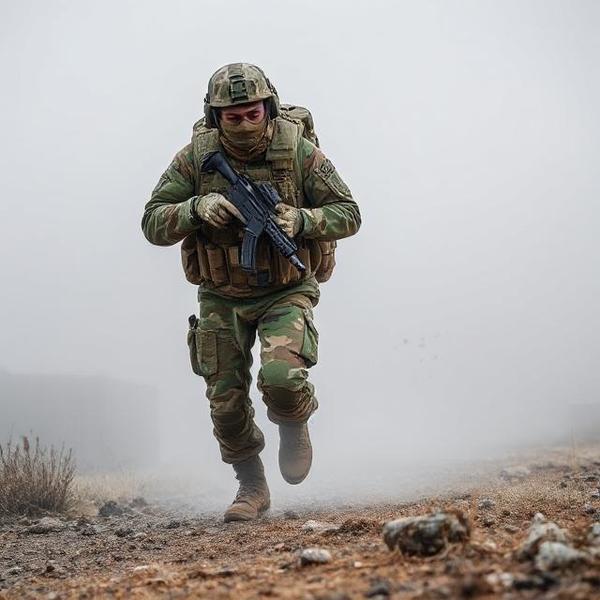
- Personnel: Soldiers on recon or static operations use compact, foldable nets to stay concealed from IR-based scouting tools.
- Fixed Installations: Military bases, communication hubs, and radar outposts employ full-scale netting systems to remain undetected.
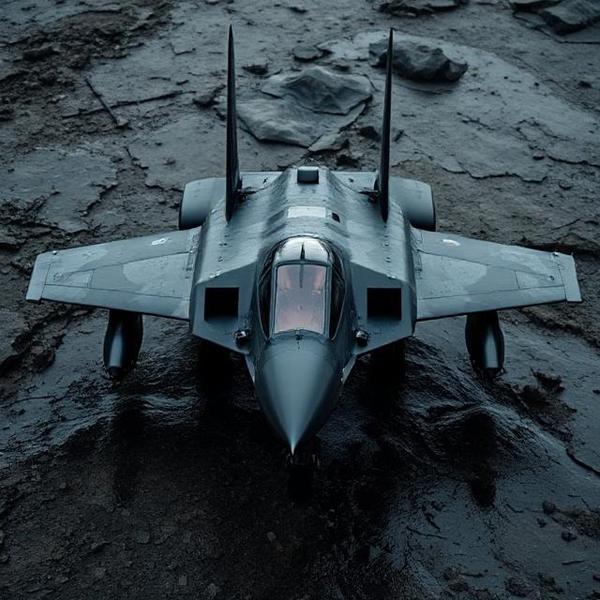
- Maritime and Aerial Platforms: Even naval ships and aircraft benefit from IR suppression technologies to minimize their heat footprint.
IR Netting vs Conventional Camouflage: What's the Difference?
Feature | Standard Netting | Infrared Camouflage Netting
Visual Concealment | Yes | Yes
Thermal Signature Suppression | No | Yes
Multi-Spectral Capabilities | No | Yes
Battlefield Durability | Moderate | High
Military Specification | No | Yes
IR camouflage nets are built not just for concealment—but for survival in digitally enhanced combat environments.
Tactical Deployment: Best Practices for Optimal Concealment
- Match the Terrain: Select netting patterns and colors that mimic the natural surroundings—woodlands, deserts, snow, or urban settings.
- Avoid Symmetry: Drape netting unevenly to break up outlines and disrupt object shapes.
- Cool Down First: Reduce engine and exhaust heat before covering vehicles to limit thermal emissions.
- Secure the Setup: Prevent movement and displacement by anchoring netting firmly using field-appropriate methods.
- Use Nature as an Ally: Blend artificial concealment with local foliage and landscape features to create a seamless cover.
Modern Camouflage for Modern Threats
In an age where thermal detection is as common as traditional surveillance, Infrared Camouflage Netting offers a powerful means of protection. It enables forces to operate with reduced risk of exposure, increasing both survivability and mission success. With warfare evolving rapidly, investing in multi-spectral camouflage systems is no longer optional—it's essential.
For in-depth exploration into advanced concealment systems, consult military technology providers who specialize in cutting-edge IR and multi-spectral defense solutions.
Keywords