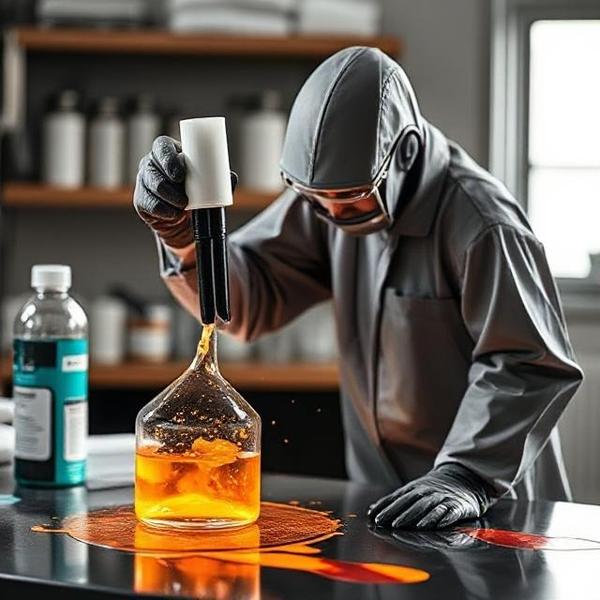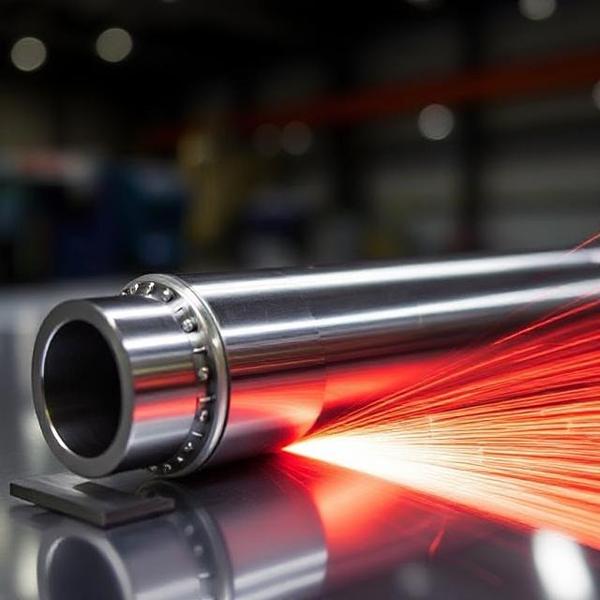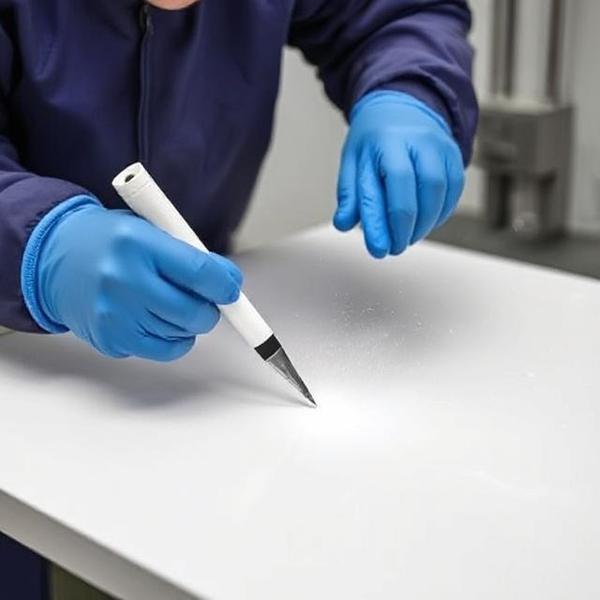
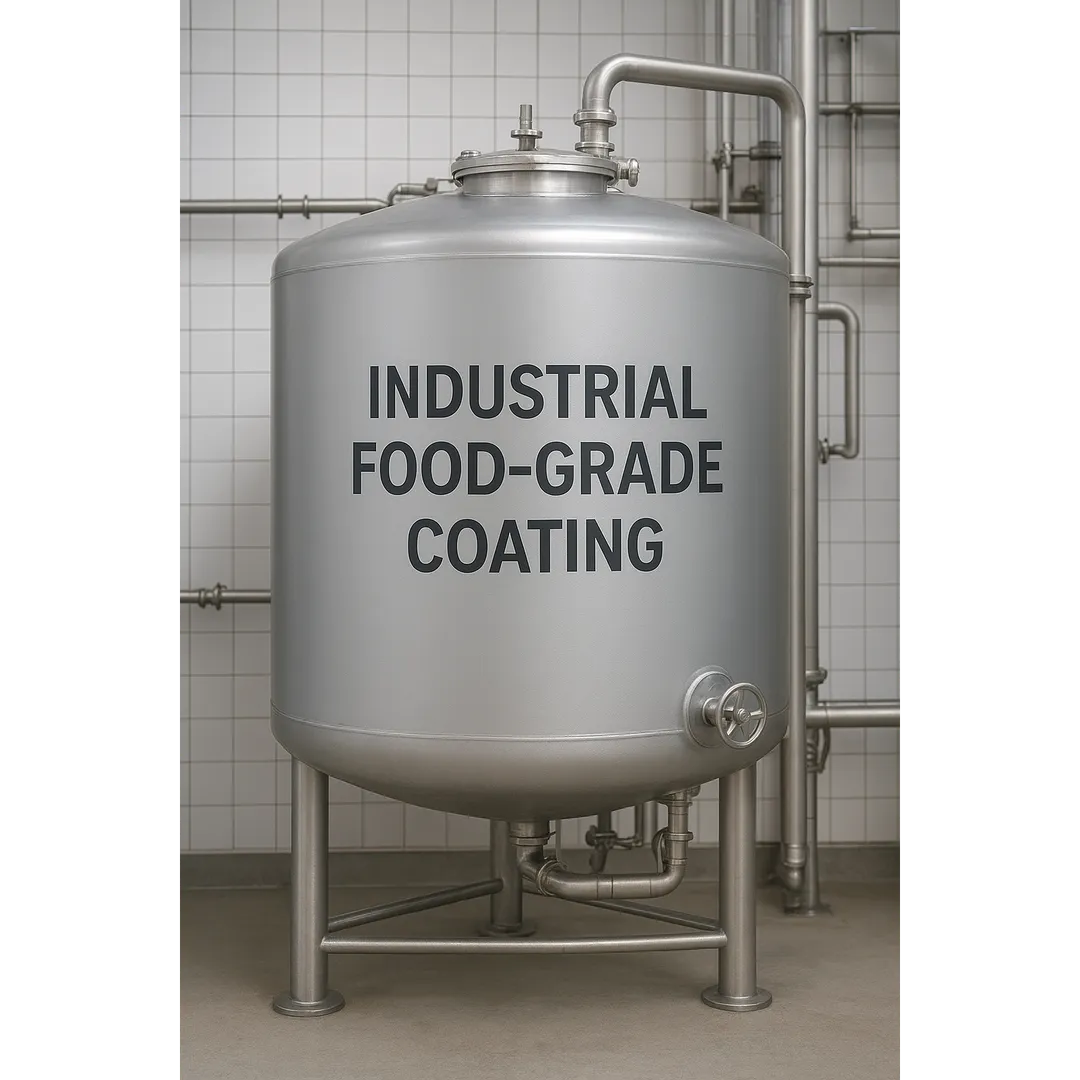
- Industrial Food Grade Coatings create hygienic, non-porous surfaces that resist bacteria, corrosion, and harsh chemicals in food manufacturing environments.
- They help ensure compliance with FDA and food safety regulations, supporting audit-readiness and risk mitigation.
- These coatings are applied to equipment, floors, walls, and storage units, enhancing durability and cleanliness across the facility.
- Compared to regular coatings, they offer superior hygiene, longer lifespan, easier maintenance, and better overall performance.
- Investing in food-grade coatings reduces downtime, extends equipment life, and supports safer, more efficient production.
In a time where hygiene, compliance, and operational efficiency are at the forefront of the food manufacturing industry, a quiet revolution is taking place on the factory floor. Industrial Food Grade Coatings are emerging as a critical solution for ensuring product safety, reducing downtime, and maintaining regulatory compliance in modern manufacturing environments.
As food safety regulations become more stringent and global competition intensifies, manufacturers are seeking smart, long-term solutions to protect both their products and their equipment. Food-grade coatings are providing that solution with their unmatched durability, hygiene benefits, and industry-standard certifications.
The Changing Landscape of Food Safety
Maintaining cleanliness is no longer enough. Facilities must now prove that every surface that comes into contact with food is engineered to prevent contamination. This has made food-grade coatings a go-to investment for processors across sectors including dairy, meat, bakery, beverages, and packaged foods.
Experts in the industry highlight that these coatings are not just about surface protection. They are a critical layer in the larger strategy of risk reduction and process optimization.
What Makes Industrial Food Grade Coatings Different
These coatings are specially formulated to meet the unique needs of the food industry. Applied to equipment, walls, floors, and storage units, they create smooth, non-porous surfaces that resist the buildup of bacteria and withstand constant exposure to cleaning chemicals, oils, acids, and moisture.
Key benefits include:
- Enhanced hygiene by reducing microbial growth and contamination risks
- Strong resistance to corrosion and harsh food processing chemicals
- Compliance with FDA, USDA, and other global safety standards
- Lower maintenance requirements and reduced downtime
- Increased lifespan of machinery and infrastructure
Common Areas of Application
Food-grade coatings are now commonly used in the following areas:
- Food processing equipment such as mixers, conveyors, tanks, and slicers
- Production lines for beverages, dairy, baked goods, and frozen foods
- Facility surfaces including floors, walls, and ceilings to ensure full sanitation
- Storage and transport containers to maintain cleanliness during logistics
Comparing Regular and Food Grade Coatings
When it comes to performance in food environments, food-grade coatings far exceed regular industrial coatings.
Feature | Regular Coatings | Food Grade Coatings
Food Safety Compliance | No | Yes
Hygienic Properties | Limited | High
Durability | Moderate | High
Corrosion Resistance | Low | Excellent
Ease of Cleaning | Difficult | Easy
Regulatory Compliance | No | FDA and industry approved
Industry Insights
According to Ananya Rao, a food safety consultant with over a decade of experience, the adoption of food-grade coatings is not just a trend—it’s a necessity.
'With hygiene protocols becoming more sophisticated and customer trust being a core brand asset, food manufacturers cannot afford to cut corners. Food-safe coatings offer a simple, cost-effective solution with long-term impact,' she explains.
The Long-Term Value
For manufacturers, the return on investment is clear. Coated surfaces require less frequent repairs, reduce the risk of contamination-related shutdowns, and help businesses pass inspections with confidence. These benefits lead to lower operating costs and a more resilient production process.
Whether upgrading an existing facility or building a new plant, food-grade coatings represent a future-proof investment in quality, safety, and efficiency.
What Comes Next
As more facilities aim for global certification and higher operational standards, the use of industrial food-grade coatings is expected to grow across both large-scale and mid-sized operations. In regions like India, where food exports are increasing and consumer awareness is high, this shift is happening rapidly.
Manufacturers who embrace these coatings now are setting themselves up for long-term success, both in terms of safety and competitiveness.
Ready to Upgrade Your Facility
Now is the time to evaluate your facility’s surfaces and explore certified food-grade coating solutions tailored to your needs. Whether you're seeking to boost compliance, reduce operational costs, or modernize your infrastructure, these coatings offer a strategic advantage.
Keywords