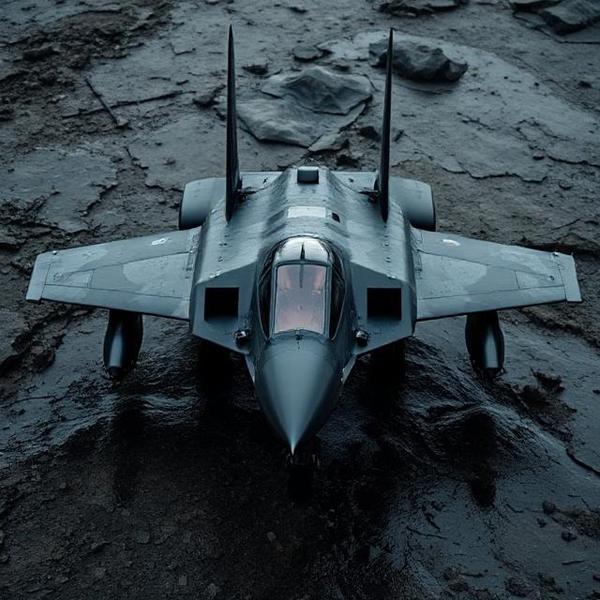
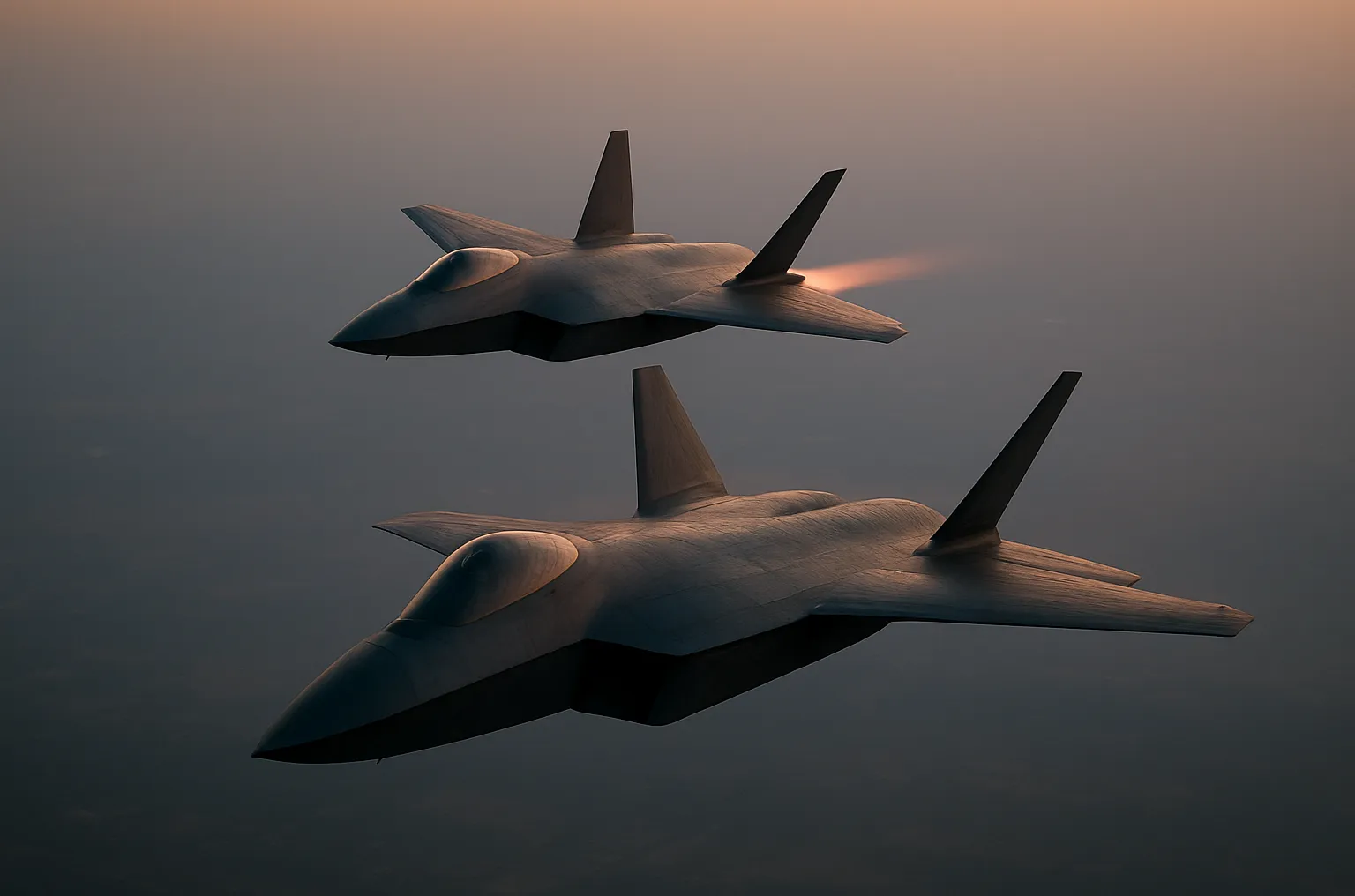
- Stealth UAVs minimize radar, thermal, and acoustic signatures, enabling undetected operations in contested airspaces.
- They enhance mission endurance, survivability, and real-time intelligence gathering compared to conventional drones.
- Key applications include border surveillance, battlefield reconnaissance, ELINT, target acquisition, and deep penetration missions.
- Stealth UAVs outperform conventional drones in detectability, infrared suppression, range, and survivability.
- Defense forces must weigh factors like payload vs. stealth efficiency, data security, autonomy, and maintenance costs when deploying them.
Unmanned Aerial Vehicles (UAVs) are no longer just tools for surveillance—they are now redefining how modern militaries conduct reconnaissance missions. With the integration of stealth technologies, UAVs can operate in contested airspaces, evade detection systems, and deliver real-time intelligence with unprecedented efficiency.
Global defense experts note that stealth-enabled UAVs are becoming critical assets for armed forces as adversaries deploy increasingly sophisticated radar, infrared, and signal-tracking systems. The ability to “see without being seen” has elevated UAVs from support assets to frontline game-changers in modern warfare.
Key Advantages of Stealth UAVs
Stealth UAVs combine advanced materials, aerodynamic design, and multi-spectral camouflage to minimize visibility across radar, thermal, and acoustic spectrums. Their benefits include:
- Low Radar Cross-Section (RCS): Special coatings and shapes reduce radar detectability.
- Infrared Suppression: Thermal signature management allows UAVs to evade heat-seeking systems.
- Extended Mission Endurance: Lightweight stealth materials improve fuel efficiency and flight range.
- Real-Time Intelligence: Secure, low-detectability communications transmit data to command centers.
- High Survivability: Ability to penetrate enemy defenses without triggering early warning systems.
Applications in Reconnaissance Warfare
The stealth revolution in UAVs is unlocking new possibilities for military intelligence operations:
- Border Surveillance: Continuous monitoring of high-tension zones without alerting adversaries.
- Battlefield Reconnaissance: Real-time mapping and troop movement tracking under enemy radar.
- Electronic Intelligence (ELINT): Collection of radar signatures and communication intercepts.
- Target Acquisition: Guiding precision weapons without exposing piloted aircraft to risk.
- Deep Penetration Missions: Operating in hostile airspaces where conventional drones cannot survive.
Stealth UAVs vs. Conventional Recon Drones
Feature | Conventional UAV | Stealth UAV
Radar Detectability |High | Very Low
Infrared Signature | Moderate | Suppressed
Mission Range | Limited | Extended
Survivability in Hostile Airspace | Low | High
Operational Flexibility | Restricted | Versatile
What Defense Forces Should Consider When Deploying Stealth UAVs
Military planners must evaluate several factors when adopting stealth UAV technology:
- Payload Capacity vs. Stealth Efficiency – Balancing mission equipment with aerodynamic design.
- Multi-Spectral Camouflage – Ensuring concealment across radar, thermal, and visual spectrums.
- Data Security & Encryption – Preventing adversaries from intercepting intelligence streams.
- Autonomous Capabilities – Reducing dependence on remote control in jammed environments.
- Maintenance & Lifecycle Costs – Stealth coatings and materials require specialized upkeep.
Industry Insight
Defense analysts predict that stealth UAVs will dominate reconnaissance warfare in the coming decade, especially as adversaries strengthen air defense systems.
“Traditional drones face increasing risks in contested airspaces. Stealth UAVs provide the tactical advantage of invisibility, making them indispensable for future reconnaissance missions,” said a defense strategist from a leading aerospace research institute.
The Future of Reconnaissance
As global conflicts evolve, the ability to gather intelligence without detection will shape the outcome of military operations. Stealth UAVs are bridging the gap between surveillance and survivability, making them a cornerstone of modern reconnaissance strategies.
Nations investing in stealth UAV technology today are preparing their forces for tomorrow’s information-driven battlespace.
Related Articles
- Evolution of Drone Warfare: From Surveillance to Combat
- Multi-Spectral Camouflage: The Science Behind Modern Military Stealth
- AI-Powered Drones: How Autonomy Is Changing the Battlefield
Keywords