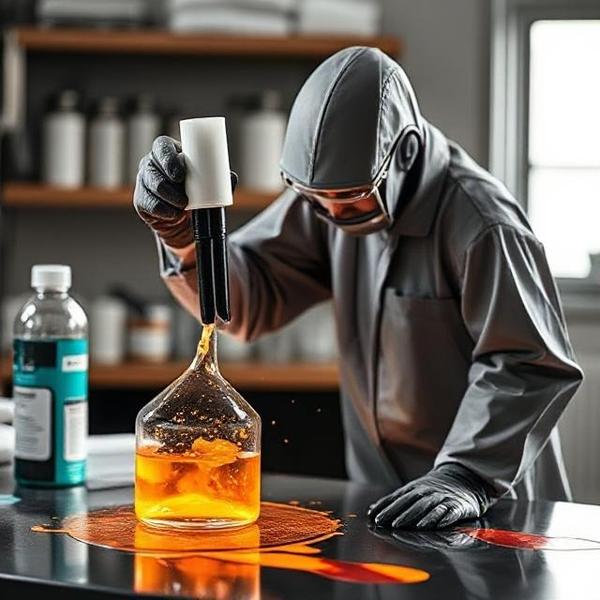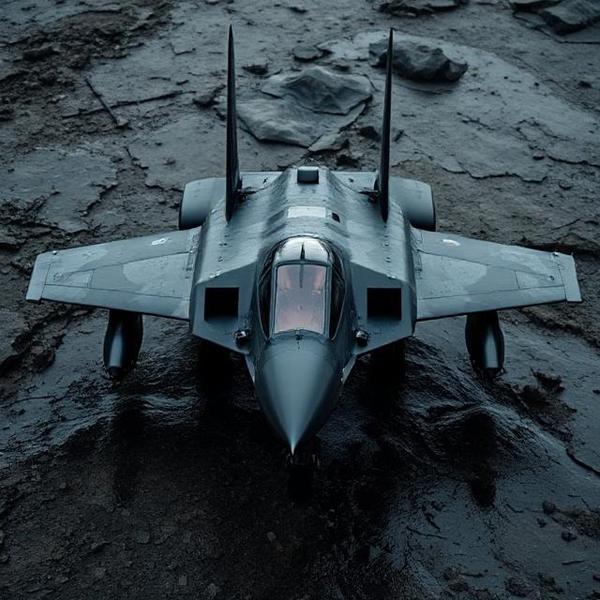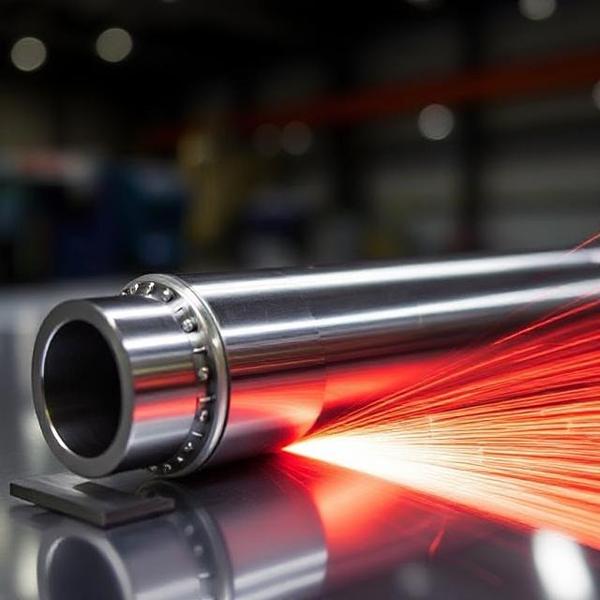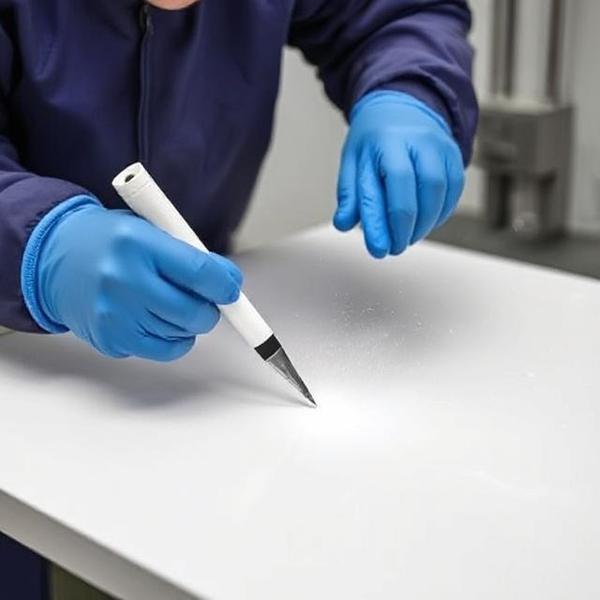
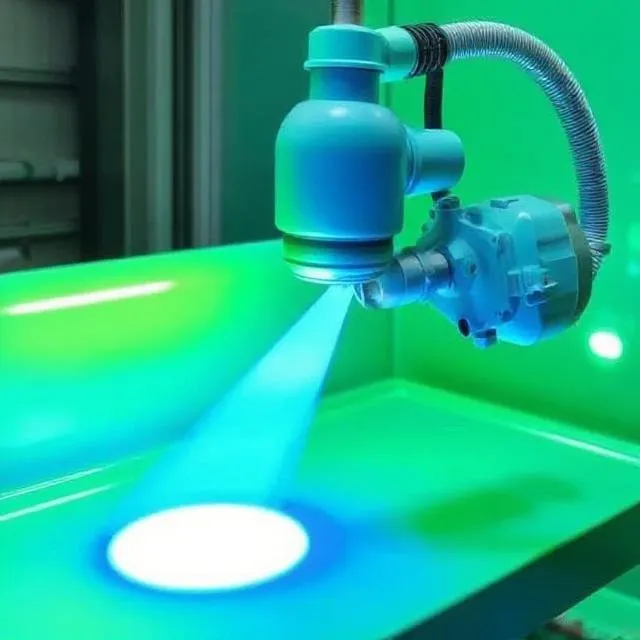
- Thermal Spray Coatings use molten materials (metals, alloys, ceramics) to form thick, durable layers ideal for wear, corrosion, and surface restoration.
- Ceramic Coatings offer ultra-high temperature resistance, chemical inertness, and smooth finishes—perfect for exhausts, turbines, and clean environments.
- Thermal Spray = Mechanical durability, while Ceramic = Heat & chemical protection.
- Choosing the right coating depends on temperature, chemical exposure, surface finish, and cost.
- Both technologies are driving India’s industrial efficiency and equipment longevity across aerospace, automotive, and energy sectors.
As Indian industries evolve toward more efficient and durable production systems, surface protection technologies have become central to equipment reliability and performance. Among the most popular solutions are Thermal Spray Coatings and Ceramic Coatings, both designed to enhance wear resistance, protect against corrosion, and extend service life.
From manufacturing to energy, defense, and automotive sectors—choosing the right coating can significantly influence operational efficiency and long-term maintenance costs.
Understanding Thermal Spray and Ceramic Coatings
Thermal Spray Coatings
Thermal spray coatings involve melting materials (like metals, alloys, or ceramics) and spraying them onto a surface using high-velocity techniques. This process forms a dense, strongly bonded layer that enhances surface properties such as hardness, corrosion resistance, and thermal stability.
Common types include:
- Plasma Spray
- HVOF (High-Velocity Oxy-Fuel)
- Flame Spray
- Arc Spray
Ceramic Coatings
Ceramic coatings, on the other hand, are thin, inorganic layers made primarily of compounds like alumina, zirconia, or silicon carbide. They are typically applied through chemical or physical vapor deposition or as liquid-applied nano-ceramic formulations.
These coatings provide superior heat resistance, chemical inertness, and hardness, making them ideal for high-temperature and corrosive environments.
Key Differences: Thermal Spray vs. Ceramic Coatings
Feature | Thermal Spray Coating | Ceramic Coating
Application Method | Sprayed molten material using plasma/HVOF | Applied via CVD, PVD, or liquid nano-coating
Temperature Resistance | Up to ~1000°C | Can exceed 1200°C
Coating Thickness | 50–500 microns | 2–50 microns
Surface Hardness | High | Very High
Corrosion Resistance | Excellent | Excellent (especially in acidic environments)
FinishS | lightly rough, can be polished | Smooth, glossy surface
Cost | Moderate | Relatively higher (depends on method)
Advantages of Each Technology
Why Choose Thermal Spray Coatings
- Versatile Material Options: Metals, ceramics, carbides, and composites.
- Strong Mechanical Bonding: Ideal for restoring worn components.
- High Deposition Rate: Efficient for large-area applications.
- Customizable Properties: Adjustable for hardness, wear, or corrosion resistance.
Why Choose Ceramic Coatings
- Superior Heat Protection: Excellent for exhausts, turbine blades, and high-temperature parts.
- Chemical Inertness: Withstands acids, alkalis, and solvents.
- Low Thermal Conductivity: Reduces heat transfer and energy loss.
- Smooth Finish: Easy to clean, with anti-stick and anti-fouling benefits.
Industry Applications
Thermal Spray Coatings Are Widely Used In:
- Aerospace: Turbine blades, landing gear, compressor components.
- Power Generation: Boilers, gas turbines, and valves.
- Mining and Heavy Engineering: Shafts, rollers, and hydraulic rods.
- Automotive: Crankshafts, brake rotors, and exhaust parts.
Ceramic Coatings Are Ideal For:
- Aerospace & Defense: Thermal barrier coatings for high-performance engines.
- Automotive: Exhaust manifolds, pistons, and turbo housings.
- Industrial Machinery: Pumps, impellers, and mixers.
- Electronics: Insulative coatings for sensors and circuit boards.
How to Choose the Right Coating for Your Equipment
Selecting the correct coating depends on your operating environment, temperature exposure, chemical contact, and mechanical stress.
Consider these factors before deciding:
- Required temperature tolerance
- Exposure to corrosive media
- Desired surface finish and roughness
- Budget and lifecycle cost
- Whether component repair or enhancement is the goal
Industry experts recommend thermal spray coatings for high-wear mechanical applications and ceramic coatings for high-temperature, chemical, or clean-surface requirements.
Expert Insight
“With India’s industrial base advancing in aerospace, energy, and automotive manufacturing, both thermal spray and ceramic coatings are seeing massive adoption,” says a senior coatings consultant at Alwin Technologies.
“These technologies aren’t competing—they complement each other. The right choice depends entirely on the equipment’s working environment.”
Partner With Certified Coating Specialists
If you’re looking to upgrade your equipment performance with advanced coating technologies, our experts can help you evaluate, compare, and choose the right solution.
Contact us today to connect with trusted coating professionals offering certified thermal spray and ceramic coating services across India.
Request a Consultation | Get a Quote | Ask a Coating Expert
Related Articles
- How Thermal Spray Restores and Extends the Life of Industrial Components
- Ceramic Coatings in High-Temperature Environments: Benefits and Applications
- The Role of Surface Engineering in Next-Gen Manufacturing
Keywords